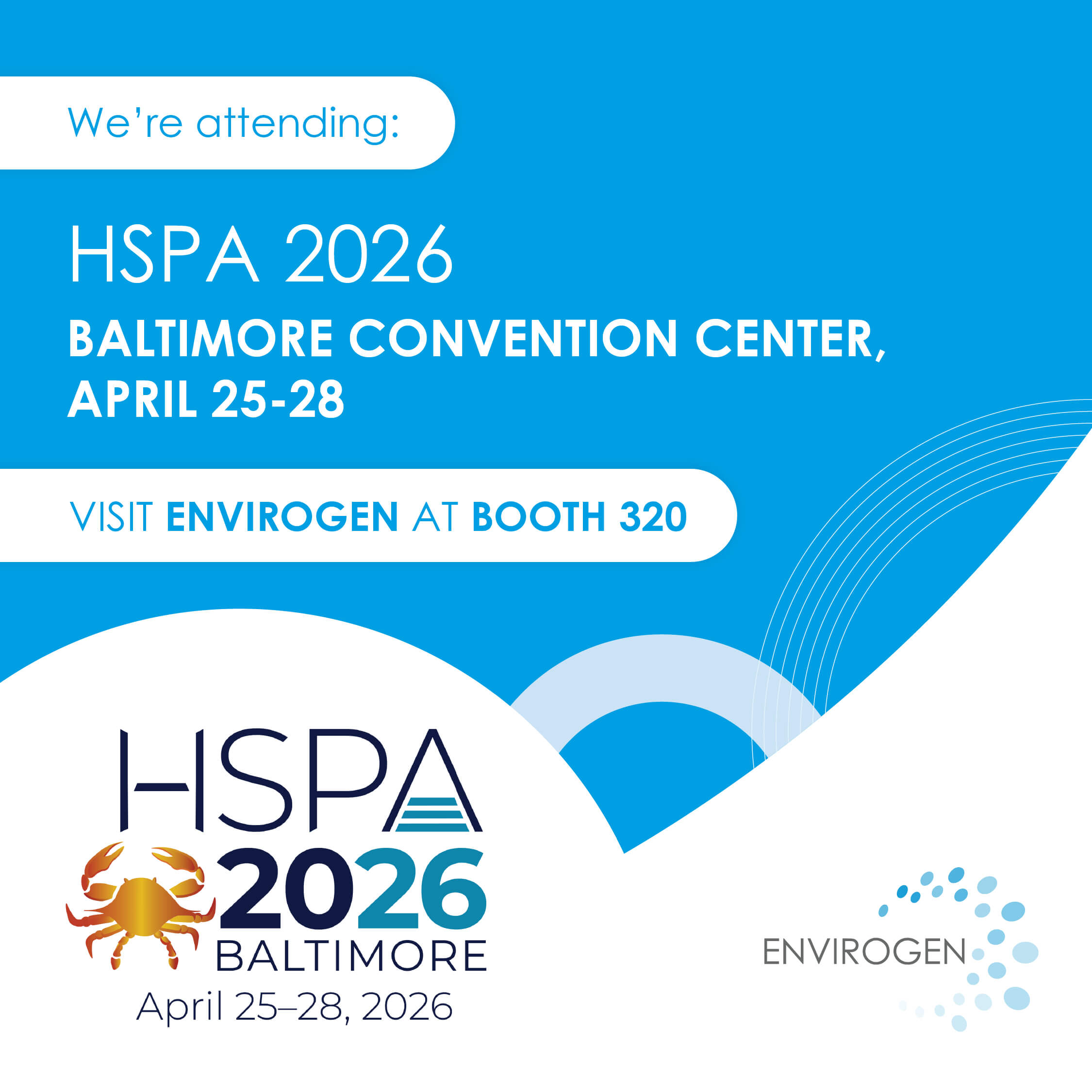
We are pleased to announce the launch of the Envirogen EndoTherm range in the US, showcased by Shawn Vestal at the Healthcare Sterile Processing Association (HSPA) Annual Conference in Las Vegas from April 21st to 23rd. Our EndoTherm range is compliant to ST108 standards, perfectly suited to elevate your Sterile Process Department (SPD).
Through 15 years of innovative research and development, we have created the EndoTherm range to meet the diverse needs of the healthcare industry. Our EndoTherm range is the only proven product to surpass ANSI/AAMI ST108:2023 and includes a performance guarantee, all whilst being proven to succeed through extensive case studies and reference sites.
The following points demonstrate the versatility of our EndoTherm range , which will be presented at the HSPA Annual Conference at booth number 429:
EndoTherm Mini:
• Compact Simplex RO System
• RO, UV/UF system with thermal sanitization for supply to single or multiple washers
EndoTherm Duo:
• Duo Compact Duplex RO System
• Ensures uninterrupted supply even during maintenance
• Electric or steam heating available
EndoTherm Modular:
• Water purification for large, centralized endoscopy and SPD departments
• Feeds multiple endoscopy washes, instrument washers and autoclaves
• RO water at ambient or elevated temperature to speed up washer cycle times
Secure your complimentary ST108 consultation…
Don’t miss the chance to optimize your water treatment systems for seamless adherence to ANSI/AAMI ST108:2023 standards with the Envirogen EndoTherm range, renowned for its industry-leading compact design. Let’s discuss how our EndoTherm capabilities align with ST108 compliant standards at the HSPA Annual Conference in Las Vegas, booth 429.
Book your spot now: https://hspa.users.membersuite.com/events/fb88528b-0078-cdea-488e-0b45a48053c2/details or if you can’t make the event, contact us via our website contact form to arrange your free consultation.
Envirogen Technologies
700 Rockmead Drive, Suite 100
Kingwood, TX
77339
T: 713 766 6270
Envirogen Group
Unit 9, Wimsey Way
Alfreton Trading Estate
Alfreton, DE55 4LS
T: +44 (0) 1773 441029
Envirogen Technologies bv
Penningweg 71
1507 DG Zaandam
The Netherlands
T: +31 75 204 7200
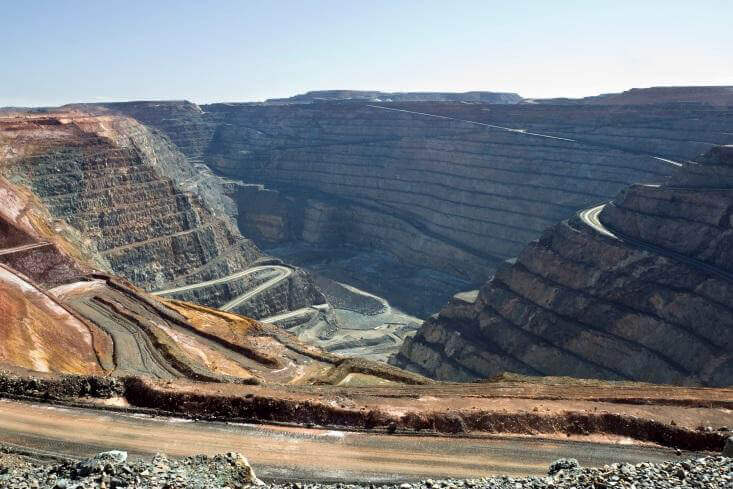
Rob Loken, the VP of Sales Service and Products will be representing Envirogen at the Acid Mine Drainage active treatment solutions – including options and evaluation, at the West Virginia Mine Drainage Task Force Symposium & 15th International Mine Water Association Congress on the 21st to 26th of April, which is taking place in Morgantown, WV, USA. We are available at booth 10, so we can help you evaluate the treatment options best for you.
Acid Mine Drainage (AMD) poses a significant threat to environmental health, particularly in regions with extensive mining activities. It results from the exposure of sulphide minerals to air and water, leading to the release of highly acidic and metal-laden runoff. This runoff not only harms aquatic ecosystems by lowering pH levels and increasing metal concentrations but also contaminates soil and groundwater, endangering plant life and human health.
AMD is a persistent issue and it’s essential to explore new innovations and solutions. Our booth will showcase cutting-edge technologies designed to revolutionize AMD treatment. We will be demonstrating how various treatment options have both advantages and disadvantages, and there are new and improved available technologies that may provide better treatment solutions rather than other, more novel options.
Join Rob Loken at the breakout session on Tuesday, April 23rd, from 10:15am to 11:55am, where he will be presenting on AMD active treatment solutions. Drawing from real-world AMD sites and testing, he will walk you through various treatment options, weighing both their pros and cons against feed water chemistry, for utmost transparency about the available technologies.
Don’t miss this great opportunity to discuss AMD treatment with us at Envirogen. Visit us at the WVTF IMWA , booth 10, so we can help you evaluate the treatment options best for you and the environment.
Envirogen Technologies
700 Rockmead Drive, Suite 100
Kingwood, TX
77339
T: 713 766 6270
Envirogen Group
Unit 9, Wimsey Way
Alfreton Trading Estate
Alfreton, DE55 4LS
T: +44 (0) 1773 441029
Envirogen Technologies bv
Penningweg 71
1507 DG Zaandam
The Netherlands
T: +31 75 204 7200
Plagued by frequent breakdowns of their RO unit, which impacted service provision of the centralized decontamination facility, Harrogate and District NHS Foundation Trust (UK) implemented a cost-effective solution. By installing two Envirogen EndoTherm Duo systems the trust has not only ensured business continuity and resilience but will enable increased capacity in the future. The scheme is also delivering outstanding levels of service.
In the centralized decontamination facility, Clare Illingworth, head of medical devices and sterile services, explains: “Previously we had a cold reverse osmosis water treatment system feeding the endoscope washer-disinfectors and a hot RO unit feeding the sterile service washer-disinfectors and autoclaves which have steam generators. The old RO plant, which was nearing the end of its lifespan, was frequently breaking down and there were times when we were having to reduce our service to theatres.
“Originally, we were only replacing the sterile services’ washers which were about 18-years old. But given the opportunity and the fact that we took the service off-site for eight weeks while the work was done, we decided to replace one of the RO systems and provide resilience to the existing system.
“We worked off-site at B Braun Medical’s centralized facility in Pudsey, UK. We’d done the same in 2017 when the department was refurbished – but not the equipment – and it worked very well.”

Clare Illingworth, left, head of medical devices and sterile services, and lead governor Harrogate and District Hospital NHS Foundation Trust, with Elaine Stanton, sterile services manger.
Clare and Stephen Worwood, the trust’s authorised person (AP) and estates specialist project manager, prepared the specification for the tender. Clare explains: “We specified that the RO equipment needed to be able to cope with the capacity and the demand. We wanted to create our own duplex system. This way, if one system went down, the other RO unit would meet the demand of the whole system. It was about the service aspect too, ensuring operation during maintenance and providing resilience in case of a breakdown.
“Our AE(D), Jonathan Tucker, said that there are multiple RO suppliers on the UK NHS Supply Chain Framework for decontamination, it wasn’t just about the equipment, the level of service and lifetime costs were also key factors. So, part of the evaluation was contacting my peers within the decontamination sector to ask them about their experiences of the levels of service from the various suppliers. The feedback was very positive for Envirogen.”
“We shortlisted three manufacturers. They were all compliant with the specification, but Envirogen stood out as the most cost competitive over the operational lifetime. In terms of servicing, Envirogen came out on top overall and is on the NHS Supply Chain Maintenance Framework.”
One of the existing, RO units was removed by Envirogen’s team of engineers, who then installed two of the company’s RO systems, including commissioning and taking water samples for validation.
The first is an Envirogen EndoTherm Duo cold RO system with a 200-litre treated water tank feeding four pass-through endoscope washer-disinfectors. The second is a larger EndoTherm Duo XL hot water RO plant with a 500-litre treated hot water tank feeding the sterile services’ four new instrument washers and the existing autoclaves with separate steam generators. The XL model’s 500-litre tank is necessary for sterile services departments as instrument washers have a larger instantaneous water requirement.

The scheme comprises an Envirogen EndoTherm Duo cold RO system and an EndoTherm Duo XL hot RO system.
The remaining old RO unit and the new Envirogen RO system are currently running in tandem, with each system feeding 50% of the capacity. In case one system fails, the other is capable of providing the additional 50%. In fact, the Envirogen equipment has already had to compensate for the older system’s deficiencies on several occasions since its installation, due to ongoing reliability issues with the older unit.
“When we review our business continuity plans, we will be challenged on our scenario-based planning,” says Clare. “This new installation has ticked a massive box in our continuity. It’s highly unlikely that both RO systems would fail at the same time. The only reason we would now need to move off-site is if there was no water getting into the building, which would bring a more challenging problem for the trust than whether sterile services can operate.”
With the service aspect being such an important element in the assessment, has Envirogen’s performance met the expectations which colleagues described?
“Whilst the service contract is still being finalised, Envirogen have kept us up and running with no questions asked and no delays,” says Clare. “They have been incredibly attentive and responsive.
“The system’s remote diagnostic facility has been fantastic. It’s enabled the Envirogen service team to be on the end of the phone and talk to our estates engineers and sort out any issues.
“For example, when we encountered an issue with an alarm, the Envirogen team immediately dialled into the remote diagnostic system. They guided our engineer through the problem and continued to monitor the situation, providing us with additional assurance.
“There were also potential issues that our own hospital engineers were not able to understand, but Sam has resolved them and explained the solution. For example, some machines had incorrect outlet terminations, which was due to an error with the hospital specification, but Envirogen dealt with that without question.”
Clare adds: “Sam’s been great. I can’t fault him at all. He always answers his calls. His follow-up is excellent. He always checks that everything is OK afterwards. Sam is very professional and understands the impact of any issues on the service we provide to ensure we can provide the best service outcomes for patients.
“The Envirogen engineers have been very good,” says Clare. “When they came to install the stainless-steel work, we hardly knew they were here. They were competent and capable, and there was minimal disruption. The only indication I had of their work was when it was completed – it was seamless. From beginning to end, everything was done smoothly.”
Equally full of praise for Envirogen, Elaine Stanton, sterile services manager, says: “They do what they say. They are here when they say they will be – never any excuses. Envirogen are a breath of fresh air. The installation guys were seamless. Sam’s turned our RO service around completely. It’s wonderful how they respond when you pick up the phone. It’s a game-changer.”
Clare says: “We no longer worry what we might do if an RO plant goes down. We have resilience built in.
“Not only do we now have peace of mind, we’ve included scalability. We increased our water capacity by 75% in sterile services and still have capacity to add another 25% in sterile services, plus another autoclave, and 30% in endoscopy.
“Envirogen’s RO systems have the option of a larger water tank which is a major benefit. The other suppliers were offering two sets of smaller tanks.”
Very involved with the specification and responsible for overseeing the installation, Stephen Worwood, the trust’s AP decontamination and estates project manager, explains:
“We wanted to ensure that with the system we have in place we could have at least 50% of the equipment working and fully functional at all times – even during service and maintenance – for uninterrupted supply. We wanted interchangeability to be able to switch between the systems easily.”
“Future-proofing is built in. We will be able to add two extra pass-through cabinet washers in endoscopy and an additional autoclave in sterile services. I found that Envirogen were incredibly helpful, extremely friendly and always willing to go the extra mile. The equipment is highly efficient and extremely reliable. It’s a very compact arrangement with a self-contained bund.”
“Their installation team was very professional. It was a seamless service,” adds Stephen. “As AP, I signed-off everything on the commissioning of the new equipment and that went to the relevant AE(D)s for their approval. I like Envirogen’s plant a lot. The visual human interface (HMI) display is very good. It makes the system easy to navigate.”
In the plantroom, demonstrating the ease of using the EndoTherm Duo’s informative touchscreen, Kevin Clarke, maintenance technician, competent person (CP) and authorised person (AP) decontamination, says: “The screen is so user friendly. You can go through the options and quickly locate exactly what you want to see.
“We’ve had no reliability issues with Envirogen, absolutely none. It’s a very compact unit. The Envirogen team are great – very helpful.”


LHS – Kevin Clarke, maintenance technician CP(D) and AP(D). RHS – The EndoTherm Duo’s user-friendly touchscreen.
Describing the scheme, Sam Blakemore, Envirogen’s healthcare area sales manager – north, says: “We supply a range of EndoTherm reverse osmosis systems to meet every demand. In this scheme the sterile services element of the installation utilises the latest addition to the EndoTherm family, the Duo XL which has a 500-litre treated water tank to provide hot RO water for up to five instrument washers and five autoclaves, making it ideal for a mid-sized department.
“The endoscopy element has the standard EndoTherm Duo RO unit to provide purified water to four endoscope washers-disinfectors. The system was purchased through NHS Supply Chain which has the added benefit of Envirogen’s unique 25-month warranty.”
Sam explains: “The installations were executed by Envirogen’s project management team, liaising with the trust to reduce disruption, and brought in on time and on budget. Both installations underwent water analysis and were handed over to the client after meeting the relevant UK regulation standards (performance would meet and exceed AMMI ST108 standards).
“The complete installation of both duplex reverse osmosis water purification plants will be under an Envirogen PureCare service and maintenance contract utilising our regional service engineer teams.”
The modular and upgradeable EndoTherm range can be set to operate at ambient or elevated temperatures (user adjustable) with automatic thermal sanitization takes place out of hours. A combination of reverse osmosis technology, ultra-violet disinfection, sub-micron filtration and constant recirculation work together to maintain maximum water quality at a range of dispense rates matched to single or multiple decontamination equipment needs. To enable fast installation and the optimum use of available space, each system is based on four prefabricated modules.
Clare adds: “With Envirogen, we now have a resilient, future-proof RO system, that was cost competitive and has proven to have service back-up that is attentive and responsive.”
Harrogate and District NHS Foundation Trust cares for the population in Harrogate and the local area as well as across North Yorkshire and Leeds. They also provide children’s services in the North East in County Durham, Darlington, Middlesbrough, Stockton-on-Tees, Gateshead and Sunderland.
Water for the Processing of Reusable Medical Devices: Prepare for the upcoming implementation of AAMI ST108 with confidence. Our team of experts specialize in water purification solutions for healthcare providers, ensuring compliance with new industry standards. Take advantage of a complimentary initial consultation to assess and optimize your water treatment systems, guaranteeing seamless adherence to AAMI ST108.
EndoTherm systems stand out in the market for its unique advantages, offering unparalleled performance and compliance:
Envirogen Technologies
700 Rockmead Drive, Suite 100
Kingwood, TX
77339
T: 713 766 6270
Envirogen Group
Unit 9, Wimsey Way
Alfreton Trading Estate
Alfreton, DE55 4LS
T: +44 (0) 1773 441029
Envirogen Technologies bv
Penningweg 71
1507 DG Zaandam
The Netherlands
T: +31 75 204 7200
Envirogen launches its thermal sanitization range of healthcare water purification solutions, EndoTherm, today. The range meets the new Association for the Advancement of Medical Instrumentation (AAMI) ST108 standard for the cleaning of reusable endoscopes in sterile processing departments (SPDs), or Central Sterile Services Departments or CSSDs.
EndoTherm ensures the delivery of purified water to all makes and models of endoscope washers, autoclaves, washer-disinfectors, and sterilizers.
Says Envirogen Group CEO Joe Higgins, “AAMI ST108 is the first water quality national standard in the United States for the cleaning of medical devices. That’s a major step forward for the healthcare industry, where SPDs can meet the new standard immediately by deploying the proven EndoTherm.
“The range has the smallest footprint in the industry, ideal for space-limited areas such as SPD, endoscopy and decontamination departments. And not only does the range meet the ST108 standard for SPDs, but it is also the only proven product to consistently exceed this standard,” Higgins adds.
Established in the United States for more than 30 years and headquartered in Kingwood, Texas, Envirogen has sales and services offices and technical facilities in Texas, California, Tennessee, New Jersey and Florida. These regional centers provide support for Envirogen’s operations throughout the United States and Canada.
AAMI ST108 was driven by the increasing number of healthcare-associated infections (HAIs) that patients acquire when receiving healthcare. When water is not adequately treated it can be a source of cross-contamination of re-usable endoscopes and other surgical instruments, and therefore a threat to patient wellbeing.
The standard is designed to reduce the risk of HAIs by providing guidance on the selection and maintenance of water for the processing of reusable medical devices.
“By placing significant emphasis on water system design, monitoring, testing, and maintenance, AAMI ST108 enables SPDs to uphold the highest standards of sterility during the cleaning process of reusable medical devices,” says Higgins.
“SPDs that have not prepared for the new standard can do so now to ensure a quick and seamless transition and gain optimal sterility,” he adds. “In order to run at high standards and maximum efficiency, all sterilization and disinfection equipment relies on a supply of clean, pure water, free from particles, bacteria, and dissolved contaminants. That’s where AAMI ST108 and EndoTherm come in.”
EndoTherm harnesses Envirogen’s proven, extensive world-class expertise, leveraging more than 15 years’ R&D experience in UK healthcare to reach the standards targeted by AAMI.
“The UK has one of the highest water quality standards in the world for surgical cleaning facilities,” Higgins states. “Consequently, Envirogen has hundreds of EndoTherm systems installed there, supported by excellent case studies and reference site lists.”
EndoTherm systems, he points out, “Were proven to an equivalent standard in the UK in 2008, putting EndoTherm UK ahead of the curve in the United States. That’s why we can deliver now in the United States and have great confidence in the product,” says Higgins.
EndoTherm systems produce water that meets AAMI ST108 water quality specifications by integrating water purification, distribution, and data monitoring. Whether end users have one endoscope washer or multiple washers, there is a size to fit:
Thanks to their compatibility, straightforward operation and slim design, EndoTherm systems are recommended by many Automated Endoscope Reprocessors (AERs), washer, and autoclave manufacturers, because of the high-water quality achieved. The systems meet the highest standards in many parts of the world, including HTM01-06 (Health Technical Memorandum 01-06) in the UK, ISO15883 (International Organization for Standardization 15883) internationally, AS/NZ 4187 (Australian and New Zealand standard for reprocessing of reusable medical devices), and now AAMI ST108 in the United States.
EndoTherm’s track record and strict adherence to standards guarantees optimal cleaning reliability, and therefore minimum downtime and maximum operational efficiency.
In addition to EndoTherm, Envirogen provides an extensive range of pre-treatment water solutions, including water softeners to protect EndoTherm systems, and installation of ring main connections.
SPDs can partner with Envirogen today to benefit from the company’s trusted solutions for healthcare water purification, and free consultation backed by deep experience in the sector. Find out more about EndoTherm in the United States by clicking here for more information.
Envirogen Technologies
700 Rockmead Drive, Suite 100
Kingwood, TX
77339
T: 713 766 6270
Envirogen Group
Unit 9, Wimsey Way
Alfreton Trading Estate
Alfreton, DE55 4LS
T: +44 (0) 1773 441029
Envirogen Technologies bv
Penningweg 71
1507 DG Zaandam
The Netherlands
T: +31 75 204 7200
We’re excited to announce that Todd Webster, Ph.D., P.E. from Envirogen has co-authored a groundbreaking article titled “Evaluation of a sequential anaerobic-aerobic membrane bioreactor system for treatment of traditional and insensitive munitions constituents.” Don’t miss the opportunity to access the full article for FREE over the next 50 days: https://www.sciencedirect.com/science/article/pii/S0045653523021562?dgcid=coauthor
Published in Chemosphere Journal, the study highlights:
– A dual anaerobic-aerobic MBR system treated a wide range of traditional explosives, IHE, and anions including DNAN, RDX, HMX, TNT, NTO, NQ, NO3− and ClO4−.
– The MBR system was resilient to upsets and changing munitions constituents.
– Residual ATO present in the effluent of the dual system was readily oxidized using bleach.
– The dual MBR system is expected to be widely applicable and sustainable for treating wastewaters with explosives.
A special acknowledgment goes to Jim Pezzillo, whose contribution and MBR setup assistance were instrumental in this achievement.
This underscores Envirogen’s commitment to advancing environmental technology and engineering, addressing intricate challenges for a cleaner and safer world.
For more detailed information, readers are encouraged to contact Envirogen through our online contact form.
Envirogen Technologies
700 Rockmead Drive, Suite 100
Kingwood, TX
77339
T: 713 766 6270
Envirogen Group
Unit 9, Wimsey Way
Alfreton Trading Estate
Alfreton, DE55 4LS
T: +44 (0) 1773 441029
Envirogen Technologies bv
Penningweg 71
1507 DG Zaandam
The Netherlands
T: +31 75 204 7200
Envirogen has been awarded a $0.9M contract to test a novel biological treatment, using a Fluidized Bed Reactor (FBR), for groundwater contaminated by 1,4-Dioxane (1,4-D) and dilute levels of chlorinated volatile organic compounds (cVOCs).
The contract was awarded by the Environmental Security Technology Certification Program (ESTCP) through the US Army Corp of Engineers.
The R&D-based project will study the use of a butane degrading microbe in an FBR to consume isobutane and cometabolically treat 1,4-D and the cVOCs. The three-year project, commencing Q4 2022, comprises bench-scale testing in New Jersey followed by a pilot-scale off-site demonstration in Tennessee in 2024/5.
“The butanotroph microbe-based treatment approach is novel because it’s the first time it will have been tested to remove these co-contaminants from groundwater in an ex-situ bioreactor,” says Dr. Todd Webster, Vice President, Envirogen Technologies.
“The project’s overall objective is to demonstrate and validate the use, performance and costing of an FBR, using the butane degrading microbe for the treatment of the comingled contaminants.”
The project is part of the Department of Defense (DoD) remediation plan for clean-up of water contaminated by 1,4-D and other recalcitrant chemicals. The DoD has used cVOCs as degreasing agents and cleaning agents for years, with 1,4-D added as a chlorinated solvent stabilizer, resulting in these chemicals co-contaminating ground water at DoD sites. Historically, at such sites, cVOCs are treated by air stripping, followed by carbon or advanced oxidation processes (AOP) such as UV light-hydrogen peroxide or ozone-hydrogen peroxide to treat the 1,4-D.
Dr. Webster states, “Multiple treatment processes of air stripping and AOP are the traditional means to remove these co-contaminants from groundwater. Although these technologies are effective, they can also be expensive because of the necessary capital and electricity requirements.
“Our novel use of a single biological technology to treat both 1,4-D and dilute cVOCs in groundwater would provide improved life-cycle treatment costs for the DoD at numerous contaminated sites.”
Current data suggest that a biological system to treat these co-contaminant streams to required regulatory levels is potentially both feasible and sustainable. Envirogen’s FBR is an efficient fixed-film bioreactor in which a high concentration of naturally occurring biomass containing the butanotroph microbe is attached to a fluidized medium. Biological treatment of the contaminated water occurs within that biomass-medium interface.
Envirogen was awarded the project based on a competitive bid process, focusing on the company’s innovative technologies and expertise in treating emerging contaminants. Envirogen has partnered with APTIM Federal Services, a subcontractor in this project, to collaborate on the bench-scale element work. APTIM specializes in critical infrastructure, technical and data solutions and related services including environmental remediation.
The image below shows a pilot FBR system representative of what Envirogen will be providing for the project
Envirogen Technologies
700 Rockmead Drive, Suite 100
Kingwood, TX
77339
T: 713 766 6270
Envirogen Group
Unit 9, Wimsey Way
Alfreton Trading Estate
Alfreton, DE55 4LS
T: +44 (0) 1773 441029
Envirogen Technologies bv
Penningweg 71
1507 DG Zaandam
The Netherlands
T: +31 75 204 7200
Global Water Intelligence (GWI) have released their latest, December 2022, GWI Magazine. The cover of this month’s CTO Outlook section features an interview with Envirogen CEO Joe Higgins on opportunities within green hydrogen and local circular economies. A full copy of the interview is shown below. Alternatively, you can download a full version.
Tackling tricky contaminants is a speciality of Envirogen, which applies innovative solutions across myriad industries and applications. CEO Joe Higgins shares his outlook on the water opportunities within green hydrogen and local circular economies.
Developing sustainable solutions that are customer-centric is the key driver of our technology strategy. We are “technology agnostic”. When developing an offer our objective is to provide the optimum solution with the lowest overall costs, including installed capital and operating, over the project’s life. Whole-life costs are often forgotten when considering a solution, but these can be a substantial part of the overall project costs.
For our flagship fluidised bed reactor (FBR) technology, we are continuously enhancing the performance of our water remediation systems to reach sub ppb levels of nitrate, perchlorate, selenium, hexavalent chromium and 1,4 dioxane. Over the past two decades, Envirogen’s FBR has successfully treated water and wastewater streams containing contamination from rocket fuel, solvents and toxic metals.
In addition, we are currently piloting various technologies with our customers for emerging contaminants such as trinitrotoluene (TNT), 2,4-dinitroanisole (DNAN), hydrazine, 1,2,3-TCP, arsenic, and nickel. In parallel, we are enhancing our rare earth metal recovery process to provide a more economical solution for markets such as acid mine drainage.
On the potable and industrial water production side, we are enhancing our technologies for nitrate and hexavalent chromium and further developing our solutions in aquaculture and recycling/reuse.
We regularly partner with universities, government agencies and other technology companies. For example, we are working with the US government (Department of Defense) to further the development of our FBR technology to treat recalcitrant contaminants. I’m particularly interested in combining our technologies with complementary ones to enhance the efficiency and capability of our technology to optimise our solutions for our customers.
Our strength is in delivering bespoke and innovative solutions to our customers, particularly in treating emerging contaminants, reuse, odour control and industrial water. As a company, we are cognisant that we must sometimes integrate complementary technologies to provide an optimum solution for our customers. In that regard, we have developed strong partnerships to allow us to offer turn-key solutions. Notwithstanding this, a fundamental tenet of our offering is that we take full responsibility for our solutions through long-term operations and service contracts.
For example, we built and operate the Nevada Environmental Response Trust (NERT) facility in Henderson, Nevada, the world’s largest oxyanion treatment facility. This treatment system utilises Envirogen’s FBR technology to significantly reduce these oxyanion contaminants from groundwater, eventually discharging this treated water to the Las Vegas Wash, Lake Mead, and the Colorado River. In performing this treatment, we protect significant downstream potable water receptors.
We are very active in the food & beverage market, where we see the integration of water reuse and recycling needing more acceptance by our customers.
In the mining, military, chemical and power markets, we see a requirement to reach sub-ppb levels for both traditional and emerging contaminants. Our approach is to provide proof of concept by piloting, which allows us to offer performance guarantees. In terms of piloting, the focus is predominantly on treatability. Often, the optimisation step is not a customer focus, where we see huge potential for reducing whole-life costs.
The use of biological treatment for drinking water, and in our case using the FBR, is an area that requires further industry acceptance. This is particularly relevant in the current economic climate where biological treatment can significantly reduce OPEX or where waste disposal is limited or not a preferred option. Nanofiltration is also becoming more commonplace, particularly in drinking water treatment.
For us, the key enabler of reuse is applying hollow fibre nanofiltration in conjunction with appropriate pre-treatment. We have successfully implemented several hollow fibre nanofiltration projects, all of which have beneficial return on investment for our customers and contribute to reducing their water footprint.
From our perspective, a key driver for the disinfection process is to limit the use of chemicals. For example, we often use UV in conjunction with hydrogen peroxide. The UV operating at a wavelength of 254 nm can damage the DNA of bacteria and most waterborne microorganisms, preventing their reproduction. Meanwhile, hydrogen peroxide offers the significant advantage of only degrading into water and oxygen; it oxidises organic matter and does
not generate by-products as chlorine or bromine do. Using UV and hydrogen peroxide together provides a very efficient and safe disinfection method without any by-products. For applications that call for chemical addition, we prefer chlorine dioxide due to its sterilising capacity and ability to generate it on-site, which negates the requirement to transport chemicals.
Our approach to new contaminants has been their degradation and removal using a combination of physical, chemical, and biological treatment techniques. As every situation is different and experimental data is insufficient to provide precise predictions for the mechanistic degradation and removal fate of emerging contaminants, we tend to pilot for proof of concept.
I believe the market will move more towards using advanced oxidation processes (AOP), biological treatment technologies and nanofiltration. Combining technologies is particularly appropriate for recalcitrant emerging contaminants, where one technology (e.g. AOP) produces partial degradation while a second technology (e.g. FBR) completes the degradation and a third technology (e.g. nanofiltration) removes any residuals. Where applicable, we prefer biological treatment, applying our FBR, as it generally provides the most sustainable and cost-effective treatment solution.
I believe with the deployment of CO2 policy and hydrogen incentives, demand for hydrogen will rise, and its use will gain traction. As evaporatively-cooled coal power plants become obsolete, the large amount of water they consume will be reallocated. Freeing up that water supply will permit new electrolytic hydrogen production in renewable energy-rich areas, which are currently considered water-constrained. In my opinion, using hydrogen as a renewable energy source will lead to water savings, not expenditures, in the long term. Improvements are needed in the energy efficiency of electrolysers, which is currently the limiting factor.
In our experience, the cost and complexity of producing demineralised water highly depend on source water quality. This is essential, as water infrastructure can be up to 10% of hydrogen projects’ installed cost. Many regions may turn to large-scale wastewater reuse to support water demand.
Much of the water consumed in electrolysis can be recovered if hydrogen is used in processes that permit steam recovery. We are working with customers to reuse the by-product water from the industrial use of hydrogen. Hydrogen production yields large quantities of oxygen. For each megawatt of electrolyser power, approximately 3.9 tons per day of oxygen is released. This poses an enormous opportunity for developing innovative oxygen-dependent applications, including wastewater treatment and aquaculture.
There is scope for further innovation in membrane filtration systems, AOP, biological remediation, hybrid natural and advanced treatment systems, microbial fuel cells, and electrochemical and nanotechnology. However, business-as-usual approaches and traditional technological choices for water management will not be able to address the many future challenges sufficiently. The way we think about water is ripe for disruption. I believe there will be a move towards semi-centralised approaches to locally extract maximum benefit (e.g. nutrients, energy and water) from each specific water resource using a range of technologies, giving the potential for a green local economy.
Disruptive innovation may come in the form of making benefits from today’s larger-scale innovative technologies viable at a smaller scale. This would permit local application and allow water to be harvested for resources and reused multiple times locally through cascading water-use approaches depending on water quality requirements.
Also, the nexus between water production and energy utilisation needs to continue towards increasing efficiency. This has improved over the years with RO systems having more efficient pre-treatment and utilising two- and three-stage pass systems. Still, more R&D is required to reduce the energy footprint of the transport and treatment of water. I see the updates in electrodialysis technology as one of these potential game-changers.
Envirogen Technologies
700 Rockmead Drive, Suite 100
Kingwood, TX
77339
T: 713 766 6270
Envirogen Group
Unit 9, Wimsey Way
Alfreton Trading Estate
Alfreton, DE55 4LS
T: +44 (0) 1773 441029
Envirogen Technologies bv
Penningweg 71
1507 DG Zaandam
The Netherlands
T: +31 75 204 7200
The Water Replenishment District of Southern California (WRD) have awarded Envirogen Technologies, Inc. a contract for the design and supply of a new biological fluidized bed reactor (FBR) system, located at the City of Vernon. More detailed information of the project is provided in this WRD factsheet link.
The new FBR system will address significant perchlorate contamination from four deep groundwater extraction wells that are among the highest in the State of California, approaching 4,000 parts-per-billion (ppb). Perchlorate concentrations will be reduced, following the FBR treatment, to less than 4 ppb, significantly below the State Maximum Contaminant (SMC) Level for drinking water.
Envirogen excels as an industry leader, employing cutting-edge fluidized bed reactor technology. Envirogen’s FBR is an active water treatment system that utilizes microbiological processes to treat nitrate and perchlorate contaminated groundwater. Remediation of these contaminants by Envirogen’s FBR system transforms polluted water to potable-like water quality that can be discharged to the storm sewer system.
The perchlorate mass removal from the aquifer system will have a beneficial effect and prevent ‘hot spot’ concentrations from migrating further into the groundwater basin and potentially impacting municipal water supply wells in an around the City of Vernon.
The full-scale fluidized bed reactor, which has a 7.5-foot diameter and is 20 feet tall, is expected to be commissioned in Q3, 2022. All ancillary equipment, such as fluidization pumps, the control panel, and chemical feed systems, will be housed in a container to protect the equipment from the elements. Envirogen’s experienced engineering and service team will provide oversight during equipment installation, and will provide full technical support during mechanical shakedown, hydraulic testing, and start-up. In addition, Envirogen personnel have been contracted to provide the long-term operation of the complete water treatment plant.
Todd Webster, Ph.D., P.E., Vice President, Envirogen, highlights:
“The Los Angeles Forebay project is the culmination of a three-year collaborative effort with WRD and their A&E firms. It draws upon Envirogen’s extensive record in delivering over forty (40) similar fluidized bed reactor designs and installations and provides a solution that’s reliable, robust, and has the lowest life-cycle treatment costs.
WRD is the largest groundwater agency in the State of California, managing and protecting local groundwater resources for four million residents. WRD’s service area covers a 420-square-mile region of southern Los Angeles County, the most populated county in the United States. The 43 cities in the service area, including a portion of the City of Los Angeles, use about 220,000 acre-feet (72 billion gallons) of groundwater annually which accounts for approximately 40% of the region’s water supply.
Perchlorate: physical and chemical properties, potential environmental and health impacts, existing federal and state guidelines, detection and treatment methods, additional information. For more information, refer to this EPA Technical Fact Sheet.
Envirogen is an industry leader in the use of bioreactor technology, with over 40 FBR systems installed worldwide and several projects under development. The Envirogen fluidized bed reactor is a proprietary biological water treatment system deployed to remove organics or oxyanions (i.e., nitrate, selenium, perchlorate) from water. See how it works here:
How does a fluidized bed reactor work? An overview of Envirogen’s patented FBR treatment process/fluidized bed reactor design. (US Patents: 6706521, 5750028, 5788842, 7754159, 7611890, 7572626, 8323496, 6830922).
Envirogen Technologies
700 Rockmead Drive, Suite 100
Kingwood, TX
77339
T: 713 766 6270
Envirogen Group
Unit 9, Wimsey Way
Alfreton Trading Estate
Alfreton, DE55 4LS
T: +44 (0) 1773 441029
Envirogen Technologies bv
Penningweg 71
1507 DG Zaandam
The Netherlands
T: +31 75 204 7200
The Twelfth International Conference on Remediation of Chlorinated and Recalcitrant Compounds will be held May 22-26, 2022, in Palm Springs, California, at the Palm Springs Convention Center and adjoining Renaissance Hotel. The conference will be an unmatched opportunity for the environmental remediation community to again gather, learn and network with the best-of-the-best thinkers in science, engineering, consulting and regulation from universities, state-and-federal government agencies, R&D organizations and manufacturing firms from around the world.
We’re delighted to announce that Todd S. Webster, Ph.D., P.E., Vice President, Envirogen, is a co-author of a platform presentation that will be delivered to delegates on Monday May 23 at 3pm PDT:

“Treatment of Munitions Constituents Manufacturing Wastes (MCMW) Using a Membrane Bioreactor (MBR) System”.
Authors: P.B. Hatzinger, P. Hedman, M. Fuller, C. Schaefer, T. Webster, and K.-H. Chu. Paul Hatzinger (APTIM/USA)
Join Dr. Webster at the conference and find out more about this novel biological approach for munitions treatment; which has applications at several military and munitions contractor sites with contaminated groundwater.
Envirogen Technologies
700 Rockmead Drive, Suite 100
Kingwood, TX
77339
T: 713 766 6270
Envirogen Group
Unit 9, Wimsey Way
Alfreton Trading Estate
Alfreton, DE55 4LS
T: +44 (0) 1773 441029
Envirogen Technologies bv
Penningweg 71
1507 DG Zaandam
The Netherlands
T: +31 75 204 7200
Neville Fowler, Technical Manager, Guy’s and St Thomas’ Hospital in London explains how a scoping project undertaken by the Trust, identified the need for a backup sterile processing department (SPD), to provide cover and security for potential breakdowns within the hospitals current facilities.
Whilst the current facility at St Thomas’ Hospital could meet existing demand, it was decided the additional support would come from a new facility to be built in Guy’s Hospital. The current SPD at St Thomas’ would be refurbished, bringing it up to current legislative standards.
As an existing proven supplier to the Trust, Envirogen were selected to design, install, and commission the reverse osmosis water purification package.
The aim was for the sterile processing department to be shared between both Guy’s and St Thomas’ Hospital, providing increased capacity with the potential to supply services to other hospitals within the area.
Compact water treatment system helps power the newest and most modern UK NHS hospital sterilization and decontamination unit
The hospital, innovative in its development, saw the opportunity to help maximize staff productivity by combining wash areas within the facility. To achieve this, it decided to have three separate workflows (all contaminated areas):
• Main instrument wash
• Endoscopy wash
• Medical Disinfection Unit (MDU)
This design would allow staff to move between areas quickly, effectively, and safely, meeting demand as required and maximizing the resources available. The construction process at both sites went through a tender process. CFES Ltd were awarded the contract giving them responsibility for building the new facility at Guy’s Hospital and the refurbishment at St Thomas’.
The Trust purchased Belimed washer-disinfectors, porous load sterilizers and Getinge Lancer endoscope reprocessors directly from the manufacturers, whilst Envirogen was chosen to supply the new reverse osmosis water purification system (RO plant) at Guy’s and to refurbish and increase output of the current equipment at St Thomas’.
To meet the pure water demand at Guy’s, Envirogen supplied a duplex reverse osmosis system, which automatically operates in duty standby mode ensuring regular and equal usage between the units. This duplex RO design also provides coverage for any scheduled service. A 265 gallon (1,000 litres) treated water storage tank was installed to buffer the water supply to the washer disinfectors and clean steam generators.
An EndoTherm Mini was installed to feed the two supplementary Getinge Lancer Endoscope reprocessors. The EndoTherm Mini was chosen because it is compact, reliable, and cost effective.
Neville Fowler, Technical Manager, Guy’s and St Thomas’ Hospital, explained:
“Within 2 years it would pay for itself with the savings on chemicals and the reduction in staffing costs due to its automatic self sanitization.
The complete development of the new area at Guy’s Hospital took eight months to finish on schedule and budget.
As the current water purification supplier to this site, Envirogen refurbished an existing hot set RO system within the sterile processing department and created a complete duplex design. As with Guy’s Hospital, an EndoTherm Mini was installed to feed the Endoscope reprocessors within the theatres department.
Neville Fowler, Technical Manager, Guy’s and St Thomas’ Hospital, said:
“What I like about the Envirogen systems is that we don’t have to touch them. They require minimal attention. We see the TVC results, they are always zero.
The redevelopment of the St Thomas’ site took seven months. Again, within the allocated/planned work schedule, with all suppliers working closely together to ensure delivery dates were achieved.
To support the water purification equipment supplied to the Guy’s and St Thomas’ the Trust chose to take a multi-year service contract with critical spares pack. This maximizes productivity and prevents unplanned down time with any potential risks being identified during routine maintenance.
The sites now process over 125,000 trays a year through their SPD The Trust has the largest dental school in the UK with 250 chairs, from which they process 2 million dental instruments a year.
Since opening the new department at Guy’s they also undertake all the Sterile Processing Department work for Great Ormond Street Hospital. Additionally, the Trust is able to consider additional external work for other hospitals in the area, helping ensure the continued operation of the site and maximizing the benefits and return on investment to the Trust.
Guy’s and St Thomas’ NHS Foundation Trust includes 5 of the UK’s best-known hospitals – Guy’s, St Thomas’, Evelina London Children’s Hospital and Royal Brompton and Harefield Hospitals. They are among the UK’s busiest and most successful foundation trusts, with a long history of high-quality care, clinical excellence, research and innovation.
Water for the Processing of Reusable Medical Devices: Prepare for the upcoming implementation of AAMI ST108 with confidence. Our team of experts specialize in water purification solutions for healthcare providers, ensuring compliance with new industry standards. Take advantage of a complimentary initial consultation to assess and optimize your water treatment systems, guaranteeing seamless adherence to AAMI ST108.
EndoTherm systems stand out in the market for its unique advantages, offering unparalleled performance and compliance:
Envirogen Technologies
700 Rockmead Drive, Suite 100
Kingwood, TX
77339
T: 713 766 6270
Envirogen Group
Unit 9, Wimsey Way
Alfreton Trading Estate
Alfreton, DE55 4LS
T: +44 (0) 1773 441029
Envirogen Technologies bv
Penningweg 71
1507 DG Zaandam
The Netherlands
T: +31 75 204 7200